

09 Feb Farming as a Tool to Reach the Unreached
By: Klint Ostermann, Founder

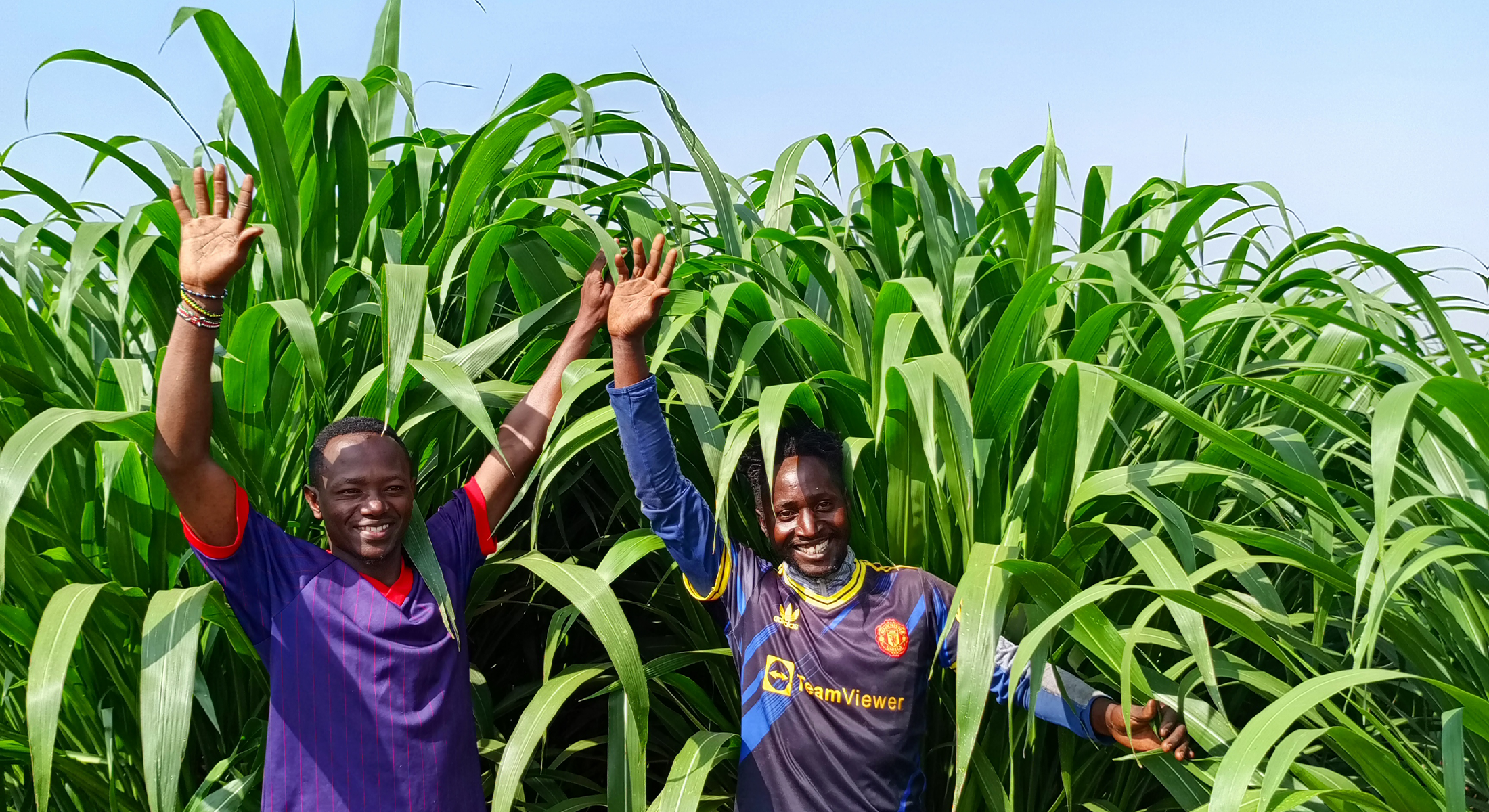
The unreached are not abstract. They are farmers, families and villages whose lives are bound to the land. For many unreached peoples, daily life revolves around planting seasons, rainfall, soil health and harvest outcomes. That reality matters for the Church because the gospel never arrives in a vacuum. Scripture consistently shows God meeting people within their work, and from Genesis to the gospels, He speaks through fields, seeds and harvests.
Farming Throughout the Bible
Humanity is placed in a garden first, where work and worship begin together. “The Lord God took the man and put him in the garden of Eden to work it and keep it” (Genesis 2:15). Before cities, temples, or institutions exist, God establishes stewardship as foundational to human life. Even after the fall, when the ground becomes difficult, God does not abandon the land as a place of encounter. Throughout Scripture, agricultural language carries spiritual weight as seeds, soil, rain, fruit and harvest become tools through which God teaches and reveals truth.
Jesus teaches this way intentionally. Speaking to farming communities, He frames the gospel in familiar labor. “A sower went out to sow” (Matthew 13:3). He meets people where their lives already exist. When missionaries enter farming communities with unrelated tools, distance grows, but when they enter with relevant skills, trust follows. Agricultural training opens doors that sermons often cannot, answering immediate needs without compromising eternal truth.
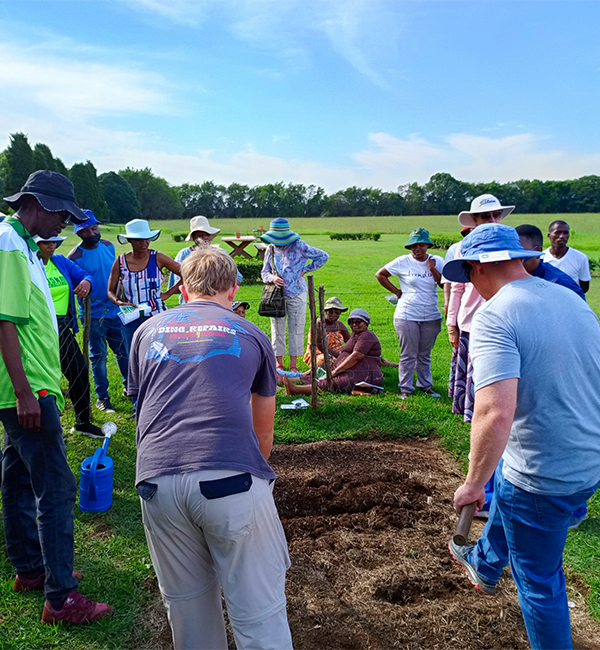
Scripture affirms this integrated witness. “Let your light shine before others, so that they may see your good works and give glory to your Father” (Matthew 5:16). Faithful work becomes visible light long before words are spoken. Paul understood this principle well, laboring with his own hands so as not to burden those he served (1 Thessalonians 2:9). Work supported proclamation, it did not replace it.
Farming as a Bridge
In many unreached contexts, agriculture becomes the bridge. It creates shared effort, shared dignity and shared language, while gently confronting fear-based practices and replacing them with trust in God’s provision. Scripture even ties spiritual rebellion and land degradation together. “The land mourns because of the curse” (Jeremiah 23:10). Restoration of land and heart often begins together, and when people see land restored through biblical stewardship, questions emerge, and the gospel arrives with credibility.
The harvest Jesus speaks of is not a metaphor alone. It is rooted in real fields worked by real people. “The harvest is plentiful, but the laborers are few” (Luke 10:2). For the unreached farmer, agriculture is not a strategy; it is life itself. When the Church honors that reality, access follows. And where access opens, the gospel can take root.
Would you join us in building bridges to gospel transformation through farming? Give today and be a sower of hope around the world.